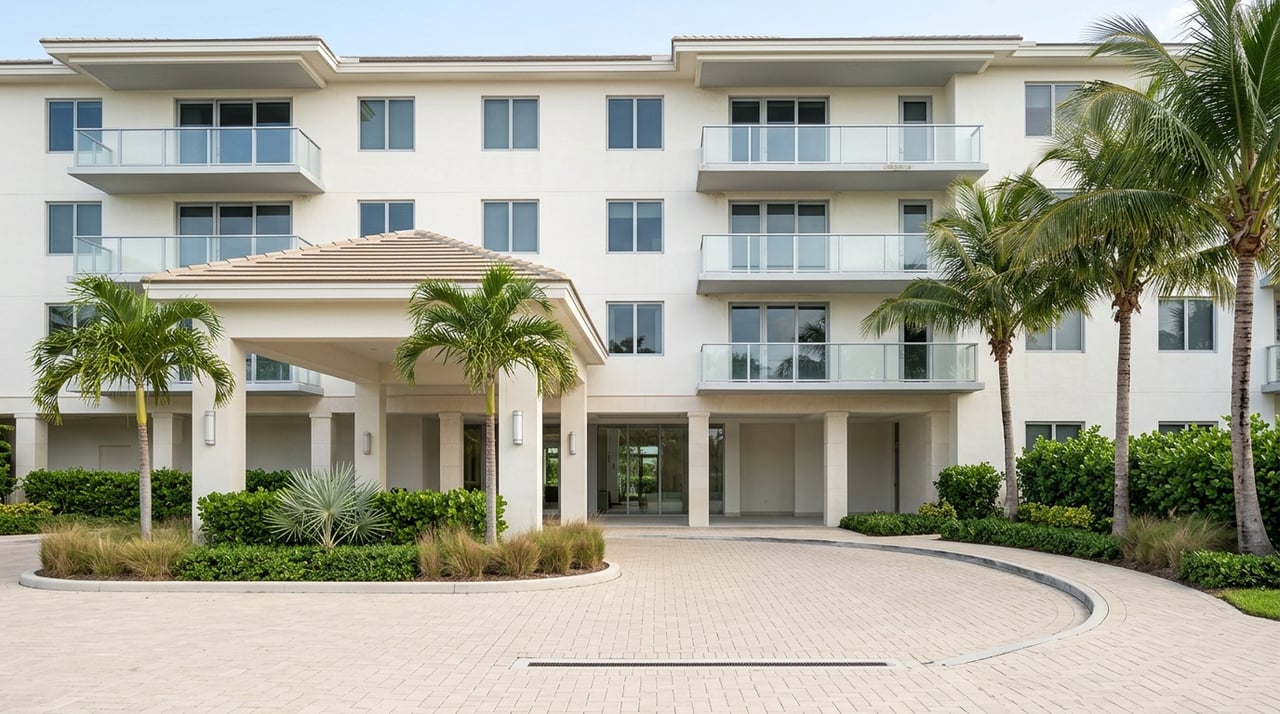
If you are shopping for a waterfront condo in Bonita Springs, one of the biggest surprises is this: “waterfront” can mean very different things here. You might be choosing between a true Gulf-front building on the sand, a bayfront or riverfront condo with boating access, or a master-planned community that offers beach access without putting you directly on the beach. Knowing the difference can save you time, sharpen your search, and help you avoid expensive surprises. Let’s dive in.
Bonita Springs waterfront condos at a glance
In Bonita Springs, waterfront condos tend to fall into three main categories. Each one offers a different lifestyle, maintenance profile, and set of ownership considerations.
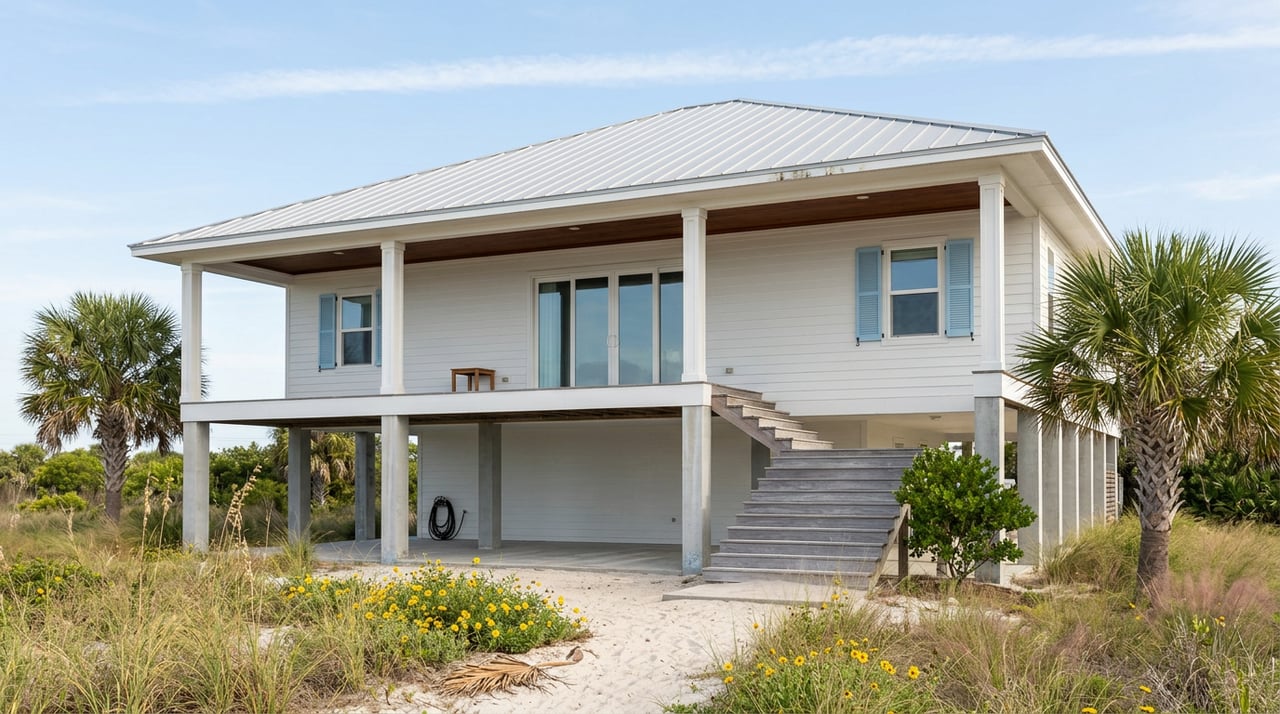
The first is beachfront property, usually on Bonita Beach or Little Hickory Island. These communities are centered on direct sand access and a more resort-like daily rhythm.
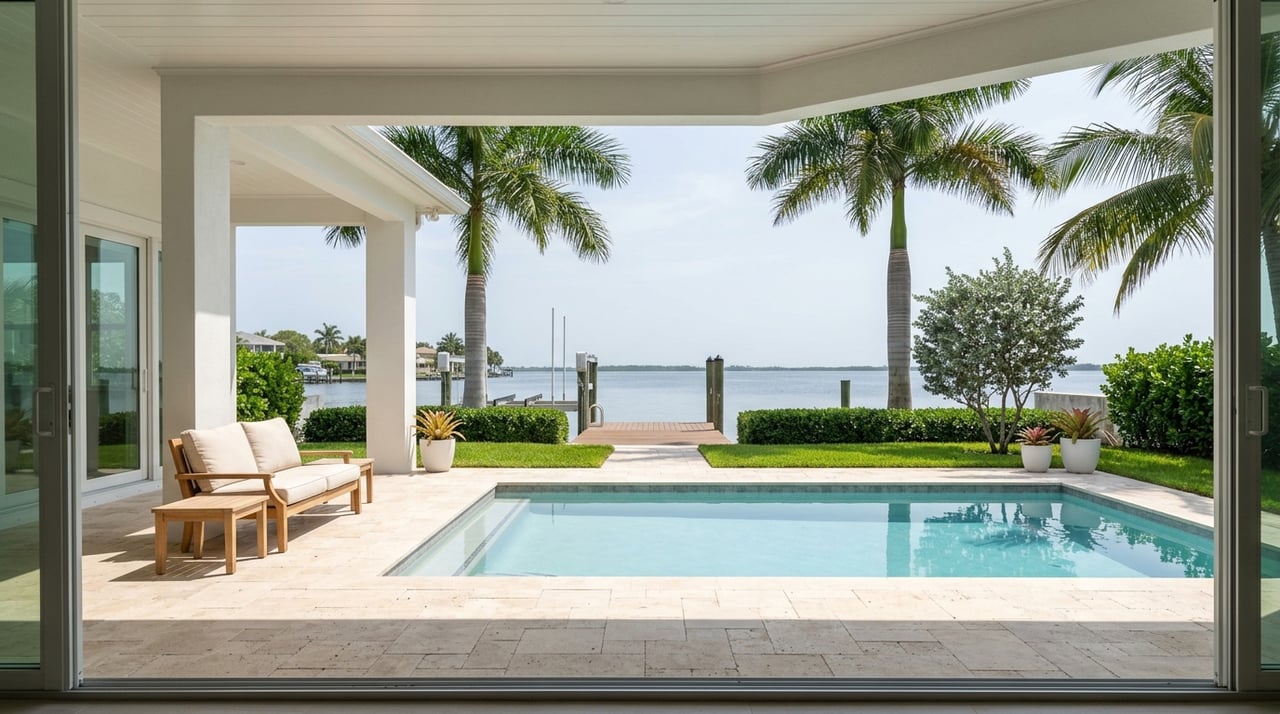
The second is bayfront, riverfront, or marina-oriented property. These often appeal to buyers who care as much about docks, launch points, and protected-water access as they do about beach frontage.
The third is the near-water master-planned option. These communities may offer private beach parks, shuttle access, marinas, walking paths, and other coastal amenities without placing your building directly on the shoreline.
Beachfront condos in Bonita Springs
If your goal is to step out and be on the sand in minutes, beachfront condos are usually the most direct fit. In Bonita Springs, these are often found on Bonita Beach and Little Hickory Island.
These communities can feel ideal for seasonal owners, second-home buyers, and anyone who wants simple beach access built into everyday life. That said, rental policies, amenity packages, and boating options can vary a lot from one building to the next.
What beachfront living often includes
Beachfront communities commonly offer amenities designed around easy coastal living, such as:
- Beach access
- Pools and sun decks
- Tennis or pickleball
- Community rooms or fitness areas
- Seasonal occupancy patterns
- Storage for bikes or beach gear
The details matter because two buildings on the same stretch of coast may operate very differently.
Examples of beachfront communities
Bonita Beach Club is a resident-owned beachfront community at the north end of Little Hickory Island with 198 units. Its association highlights a large beach pool, tennis and pickleball courts, shuffleboard, community rooms, and storage for bikes and personal watercraft. It also notes that many units are occupied seasonally, some are rented on a monthly basis, and boat slips are handled through a separately managed association.
Beach and Tennis Club describes itself as a five-building, 360-unit community on Bonita Beach. The property highlights two heated pools, 10 Har-Tru tennis courts, bocce, pickleball, basketball, boating access on Fish Trap Bay, and ownership and rental programs as a defining feature.
Casa Bonita Grande reflects a more lease-restrictive beachfront model. Its association notes an on-site fitness center and beach-facing patios, and its rental rules state that leases under 30 days are prohibited.
Who beachfront condos tend to fit
This category often works best if you:
- Want immediate beach access
- Plan to use the property seasonally
- Prefer a resort-style setting
- Value views and beach time over dock access
- Want to compare rental flexibility carefully before buying
Bayfront and boating-oriented condos
Not every waterfront buyer wants open Gulf frontage. Some buyers are looking for easier boating, kayak access, marina services, or protected water views.
That is where bayfront, riverfront, and marina-centered communities can stand out. In many cases, these properties offer a strong balance between coastal lifestyle and practical water access.
Why boaters often prefer this category
Protected-water communities may be especially appealing if you want to keep a boat nearby, launch a kayak or paddleboard, or spend time on the Imperial River, Estero Bay, or connected Gulf waters. For many buyers, that use pattern matters more than being directly on the sand.
You should still confirm exactly what comes with the unit or community. A slip may be deeded, assigned, separately owned, or part of another association.
Examples of bayfront and riverfront options
Bay Harbor Club on Little Hickory Island is a good example of a hybrid beach-and-boating community. It offers private Bonita Beach access, a marina with 50 docks for vessels up to 30 feet, direct access to the Gulf and Estero Bay water network, a kayak and paddleboard launch into Hogue Channel, a waterfront pool and spa, secured entry, covered parking, and pet-friendly rules.
Bonita Bay, including communities such as The Hamptons at Bonita Bay, shows how a larger master-planned setting can still function as a waterfront lifestyle choice. Owners in The Hamptons automatically become members of the Bonita Bay Community Association, which maintains waterside parks, a private Gulf beach park, and 12 miles of walking and biking paths. The Bonita Bay Marina on the Imperial River offers wet slips, dry storage, fueling, and light mechanical service, and it is owned exclusively by Bonita Bay residents.
Spanish Harbor is a smaller Imperial River condo example. The community describes a private boat dock, a pool, and direct river use for kayaking, paddleboarding, and other water access, while remaining close to Bonita Beach.
Who boating-oriented condos tend to fit
This category may be a better match if you:
- Want dock or marina access
- Use a kayak or paddleboard often
- Prefer protected-water settings
- Want water views without direct surf frontage
- Care about launch points and boating logistics
Near-water master-planned communities
Some buyers want a coastal lifestyle but do not need to live directly on the beach or in a marina building. In Bonita Springs, near-water master-planned communities can fill that gap.
These communities often combine beach access, maintained common areas, paths, and broader amenity packages. They can be especially attractive if you want a lock-and-leave property with less direct surf exposure.
What this option can offer
A near-water community may include beach access through a private beach park, shuttle boat, private club area, or shared master-association amenity. That is very different from living directly on the sand, so it is important to understand exactly how access works.
Pelican Landing’s Beach Park is a helpful example of this model. The association describes a 34-acre private Gulf beach park reached by shuttle boat across Estero Bay in about 12 minutes.
Extra governance can affect costs
Master-planned communities may also come with additional layers of governance and cost. In practical terms, you may be comparing condo dues plus master-association fees and, in some cases, district-related assessments.
Bonita Bay is one example where community association membership is part of ownership. That makes it important to compare the full cost structure, not just the condo fee listed in a search result.
What matters more than the view
A beautiful view can pull you in, but it should never be the only reason you choose a waterfront condo. In Bonita Springs, several practical issues deserve just as much attention.
Confirm the type of beach access
Do not assume that “beach access” means the same thing in every community. Public pedestrian access next to a condominium is not the same as deeded beach access, a private beach club, or a shuttle-boat arrangement.
The declaration and community rules should clarify what owners actually receive.
Review dock and shoreline responsibilities
If you are buying on a canal, bay, or river, confirm dock rights, seawall responsibility, and permit history. Bonita Springs places strong emphasis on flood control, water quality, dredging standards, vegetation and seagrass protection, and shoreline work.
That means dock and seawall issues should be verified, not assumed to be covered by the condo fee.
Understand flood zone and elevation
Flood risk is central in this market. The City of Bonita Springs notes that AE and VE are the 100-year flood zone, and it directs buyers to flood-zone mapping tools.
The city also notes that elevation certificates are used by insurers to rate flood premiums. For a waterfront condo search, flood zone and elevation should be part of your early review.
HOA and condo due diligence in Florida
Condo due diligence has become more important across Florida, especially in older or taller buildings. If you are comparing Bonita Springs waterfront condos, this is one area where careful review matters.
Reserve studies and inspections
Florida law requires a structural integrity reserve study at least every 10 years for condominium buildings that are three habitable stories or higher. The study addresses items such as the roof, structure, fire protection, plumbing, electrical systems, waterproofing, exterior painting, and windows and exterior doors.
Milestone inspections also apply to residential condominium and cooperative buildings that are three or more habitable stories high. According to the Florida Department of Business and Professional Regulation, the general trigger is 30 years of age and every 10 years after that, or 25 years if local enforcement has set an earlier trigger.
What buyers should ask for
Inspection summaries and reserve studies are part of the association’s official records and must be provided to prospective buyers when applicable. Florida contract disclosures also now require clear acknowledgment about whether the buyer received the current milestone inspection summary, any turnover inspection report if applicable, and the most recent structural integrity reserve study if applicable before contract execution.
If no milestone inspection or reserve study is required, the contract must say that as well.
Why fees can vary so much
Carrying costs are shaped by what the association owns and maintains. That can include elevators, roofs, windows, exterior painting, waterproofing, docks, seawalls, marina systems, beach-club assets, and the reserve funding plan behind them.
In other words, two condos with similar views may have very different long-term cost structures.
A practical shortlist for Bonita Springs buyers
As you narrow your options, it helps to compare each community using the same set of questions. That makes it easier to see which lifestyle and ownership model truly fits you.
Questions to ask before you buy
- Is the condo truly Gulf-front, bayfront, riverfront, or near-water?
- What kind of beach access comes with ownership?
- Are boat slips deeded, assigned, separately managed, or not included?
- What does the current budget and reserve plan look like?
- Are there any special assessments or known capital projects?
- Is the building subject to milestone inspection or structural reserve study rules?
- What flood zone is the property in, and is an elevation certificate available?
- Are there master-association or other layered assessments beyond the condo dues?
- What are the lease minimums and rental restrictions?
Choosing the right waterfront lifestyle
The best Bonita Springs waterfront condo is not always the one with the widest water view. It is the one that matches how you actually want to live, whether that means morning walks on the beach, easy boat access, a seasonal lock-and-leave setup, or a lower-maintenance community with managed beach amenities.
That local nuance matters in Bonita Springs because the waterfront experience changes block by block and building by building. If you want help comparing beachfront, bayfront, and near-water options in a practical way, William Ross can help you sort through the details and focus on the communities that fit your goals.
FAQs
What kinds of waterfront condos are available in Bonita Springs?
- Bonita Springs waterfront condos generally fall into three groups: direct beachfront condos, bayfront or riverfront condos with boating access, and near-water master-planned communities with beach or marina amenities.
What should buyers know about Bonita Springs beachfront condo rentals?
- Rental rules can vary widely by community, with some properties offering more flexible rental programs and others, like Casa Bonita Grande, prohibiting leases under 30 days.
What should buyers verify about Bonita Springs boat slips and docks?
- You should confirm whether slips are deeded, assigned, separately managed, or not included, and also review dock rights, seawall responsibility, and permit history.
What Florida condo documents should Bonita Springs buyers review?
- Buyers should review the current budget, reserve information, milestone inspection summary if applicable, and the most recent structural integrity reserve study if applicable.
Why do Bonita Springs waterfront condo fees differ so much?
- Fees often reflect what the association maintains, which may include elevators, roofs, windows, waterproofing, docks, seawalls, marina systems, beach assets, and reserve funding needs.
How should buyers compare beach access in Bonita Springs condo communities?
- You should verify whether access is direct beachfront, public pedestrian access nearby, part of a private beach park, or provided through a shuttle or club arrangement.